





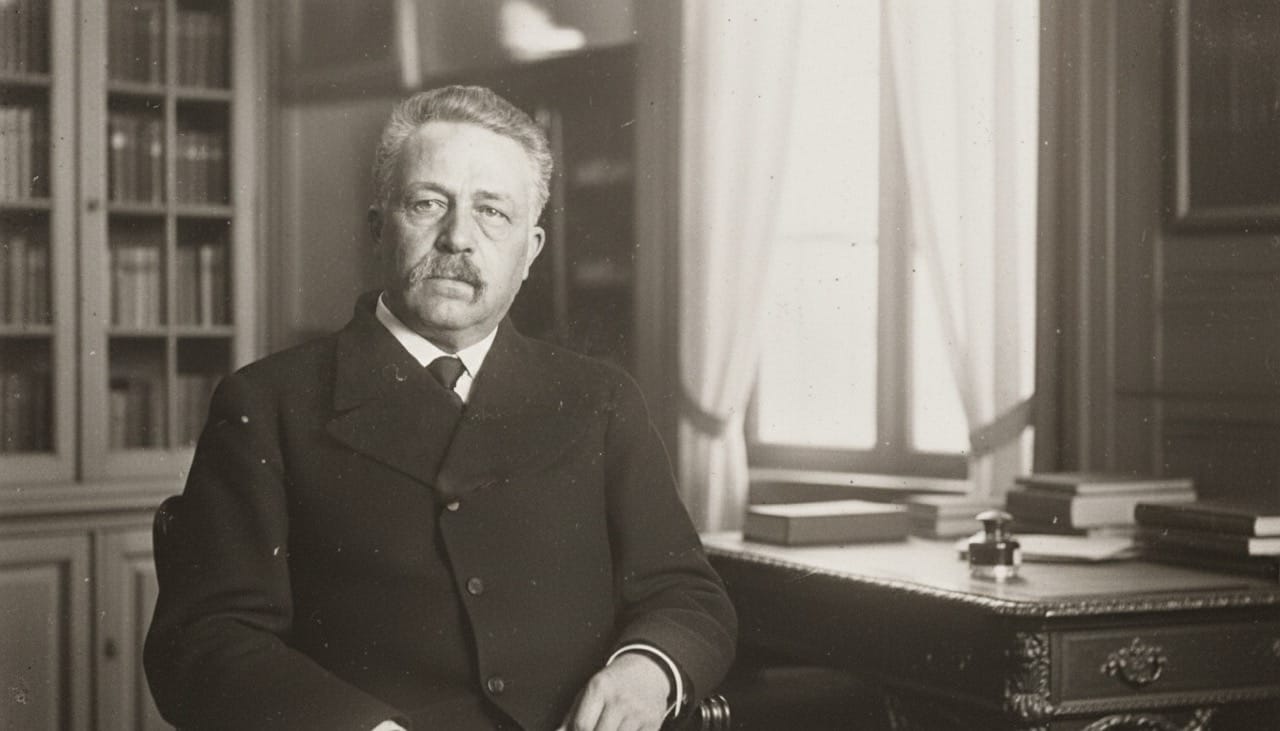










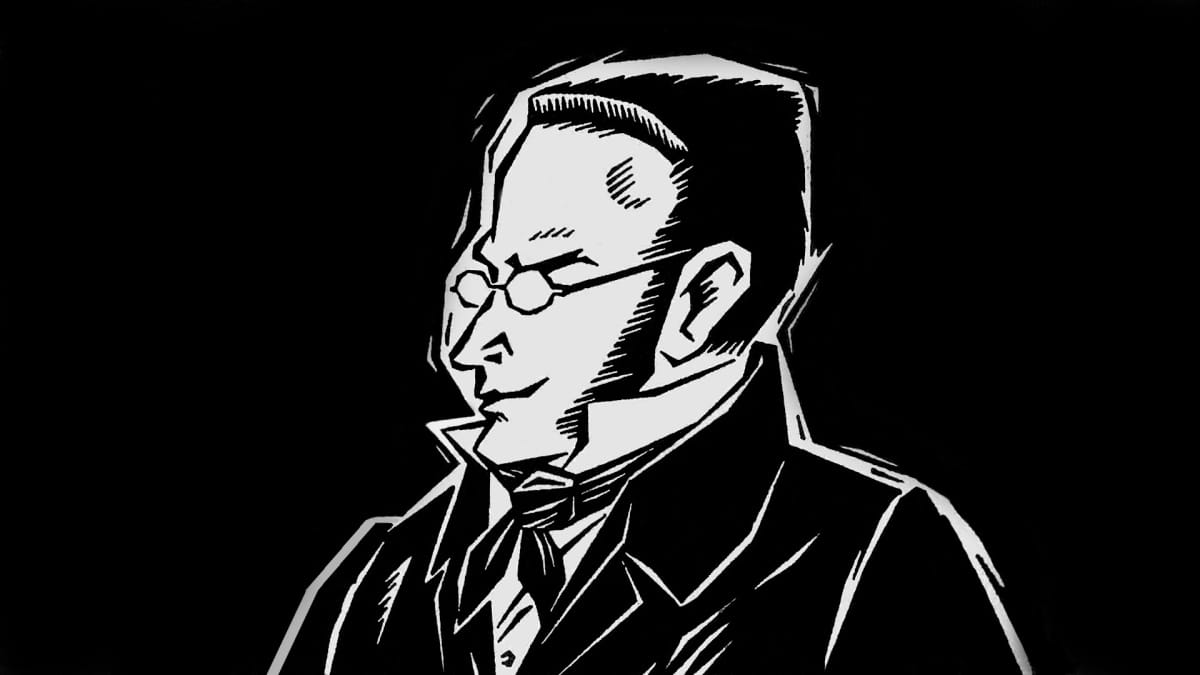



Franz Kafka – The Prague Visionary of Bureaucratic Hell
Did Kafka map our eternal bureaucratic nightmares or a divine comedy we help sustain? This deep dive reveals an exit strategy hidden in the horror.
Justified true belief (JTB) is not sufficient for knowledge because, as the Gettier problem shows, a person can have a justified true belief that is true only due to luck or accident, which disqualifies it as knowledge. The three JTB conditions must be supplemented or replaced to account f
The Paradox of the Court is an ancient legal-rhetorical puzzle attributed to the Sophist Protagoras, in which a teacher and his student appear to have equally irrefutable arguments in a lawsuit over tuition, creating a logical loop that seems to make justice impossible.
Ubuntu is an African philosophical ethic rooted in the idea that personhood is relationally constituted. Its core maxim, 'umuntu ngumuntu ngabantu' (a person is a person through persons), holds that moral value resides in fostering communal harmony, dignity, and mutual recognition.
Collective responsibility is the philosophical concept that a group—not just its individual members—can bear blame, accountability, or obligation for actions and outcomes. It covers cases from a state's historical crimes to a corporation's environmental harms.
The Sorites paradox is a family of puzzles showing that vague terms like 'heap' cannot be governed by ordinary deductive rules: one grain is not a heap, adding one grain never makes a non-heap into a heap, and yet a large collection is a heap. The apparent contradiction forces us to rethin
Just war theory applies to modern warfare by providing a moral checklist that informs international law, military doctrine, and public debate. Yet the rise of asymmetric warfare, automation, cyberattacks, and interventionism has stretched the traditional categories to their breaking point.
Just war theory is a moral and legal tradition that seeks to limit war by specifying conditions for its just initiation, conduct, and conclusion. Its main branches are jus ad bellum (justice before war), jus in bello (justice in war), and jus post bellum (justice after war).
This source article from Philosopheasy argues that the most valuable professional asset is not a single specialization but the deliberate cultivation of contradictions, which together create a unique, unquantifiable career identity.
The Paradox of the Court is a self-referential legal puzzle in which a teacher sues a former student for unpaid tuition, and both parties argue with equal logical force that they must win, producing contradictory conclusions from the same contract and court ruling.
Our curated paths through the history of thought. These modules represent the intellectual foundations of the Digital Archive.
Gain Full Access arrow_right_altFull access to every masterclass, investigation, and private audio briefing — a structured library of ideas that survive outside the algorithmic consensus.
Secure checkout · Cancel anytime
Press Enter for deep search · Esc to close